SUBSCRIBE TO OUR BLOG

    Author

    Hitesh B

    Browsing
    Sort by

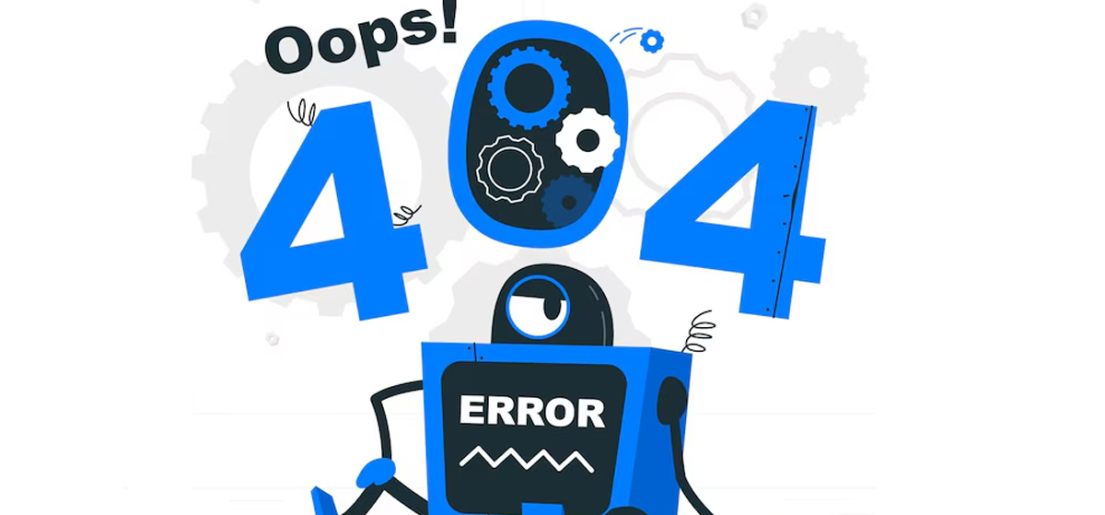
    The HTTP 404 status code indicates that the server cannot find the resource, content or service the user is trying to access. Hence, the HTTP code 404 Page Not Found can significantly affect your flow. To fix the Not Found status code issued by the server, you must find the root cause. Typically, the HTTP response code 404 is issued due to missing pages, broken links, URL issues and dead links. If your web application…


    The 403 status code is a client error response that indicates that the actions are forbidden. The server redirects you to this forbidden status code because it registers the request but does not process it. The network server refuses you to access the resources not because of authentication, payment or other issues. When it comes to HTTP 403 Forbidden Error, the issues are more underlying. Usually, the forbidden status code is issued by the server…

    SummaryThe HTTP 402 Payment Required status code shows that access to a specific resource is restricted until a valid payment is completed. Although it is a standardized HTTP response code, it is rarely used across modern web applications. When it appears, it usually points to subscription issues, failed transactions, expired plans, or payment gateway problems. This article explains what a 402 error means, why it occurs, how to fix it step by step, and how to…

    The FTPS protocol is a secure extension of the traditional File Transfer Protocol (FTP) designed to address the security vulnerabilities of standard FTP. Unlike regular FTP, which transmits data in plain text, the FTPS protocol encrypts file transfers using Transport Layer Security (TLS). When comparing FTPS vs FTP, the key difference lies in security: while FTP leaves data exposed to potential interception, FTPS creates an encrypted tunnel that protects sensitive information from unauthorised access. Example…

    HTTP (Hypertext Transfer Protocol) is a critical internet communication protocol that defines how data transfers between web browsers and servers. As a fundamental HTTP protocol feature, it enables seamless communication across the World Wide Web. Unlike TCP/IP, which handles lower-level network connections, HTTP operates at the application layer, providing a standardised method for transmitting information between clients and servers across the internet. Example of Hyper Text Transfer Protocol When you access a website, HTTP springs…

    File Transfer Protocol or FTP is a standard communication method for moving digital files between computers over the internet, distinguishing itself from HTTP by focusing specifically on file exchanges. When setting up an FTP server, organisations create a dedicated digital space that enables seamless file transfer capabilities. The FTP vs HTTP comparison reveals that while HTTP primarily handles web page rendering, FTP specialises in complete file movement, making it more efficient for large data transfers.…

    By understanding the causes and implementing appropriate strategies, you can fix 413 Request Entity Too Large status code. The status code 413 stands for “Request Entity Too Large”. It is an error code returned by a server when the data sent in a request exceeds the server’s maximum allowed size. Typically, the causes are network constraints, client-side issues or server-side limitations. Fixing the status code 413 needs careful consideration since wrong implementations can disrupt the…

    Fixing HTTP response code 305 is critical for server performance and client experience. It requires understanding necessary server configurations, compatibility requirements and straightforward steps. The HTTP code 305, “Use Proxy”, is a status code that signifies that the resource requested by the client must be accessed through a specific proxy server. This status code essentially tells the client to use a proxy server to access a particular resource. How to Fix 305 Use Proxy Error?…

    A 400 Bad Request is an HTTP status code that appears when client-side issues prevent the web server from processing a request. It’s similar to a server saying “I can’t understand what you’re asking for” – making it different from other web server errors where the server knows what you want but can’t deliver it. Unlike web application errors (500-series) or 404 Not Found errors, a 400 Bad Request indicates that the client sent an…

    Redirecting website URLs requires precision, and if done incorrectly, it can cause multiple issues, such as a redirect loop and chains. The HTTP 308 Permanent Redirect is an HTTP status code the server issues against a request for a resource that has been permanently moved. When a resource, webpage or content is permanently moved to another location/URL, the clients need to be informed. While the HTTP 308 redirect seems similar to the 301 (Moved Permanently)…